Flower
Bevlog

Archive for the ‘flavored malt beverage’ Category

Taurine

Taurine has been widely used in alcohol beverages for about ten years. One of the early approvals is Hard E Malt Beverage with Taurine, as above. Another early example is Sparks with Caffeine, Taurine, Guarana and Ginseng, from a few months later.

Taurine showed up in TTB/ATF products around 2001, a few years after Red Bull hit the US. Red Bull famously contains taurine as well as caffeine and B vitamins. Some, like CSPI, have said taurine is of dubious legitimacy in food, but this article points out that Red Bull sells the beverage, with taurine, in well over 130 countries. The US of course is among those countries and there is no big sign of FDA concern. France had banned Red Bull with taurine for many years but began allowing it in April of 2008. On this occasion, the company said:

Last year alone, over three and a half billion cans and bottles of Red Bull energy drink were consumed in over 143 countries across the world and no one anywhere has ever shown any link between [the product] and harmful effects. Red Bull could only have such global sales because health authorities across the world have concluded that [it] is safe to consume.

The term is derived from “taurus,” Latin for bull, because it was initially found in ox bile. It occurs naturally and widely in meat and seafood. There is not much evidence that it’s good for you or bad (for example, it has little to no stimulant effects).

Hard E is also a rare example of a malt beverage with vodka on the label.

Related Posts:

Tags:

,

Posted in:

flavored malt beverage


Email This Post Email This Post     |    Print This Post Print This Post     |    


Beer with Garlic

Here is Jessenhofke beer “brewed with garlic.”

It is not the only one. Here is another. The Belgian label is also noteworthy because it has a detailed ingredient list.

Related Posts:

Tags:

, , ,

Posted in:

flavored malt beverage


Email This Post Email This Post     |    Print This Post Print This Post     |    


Beer made with Vodka

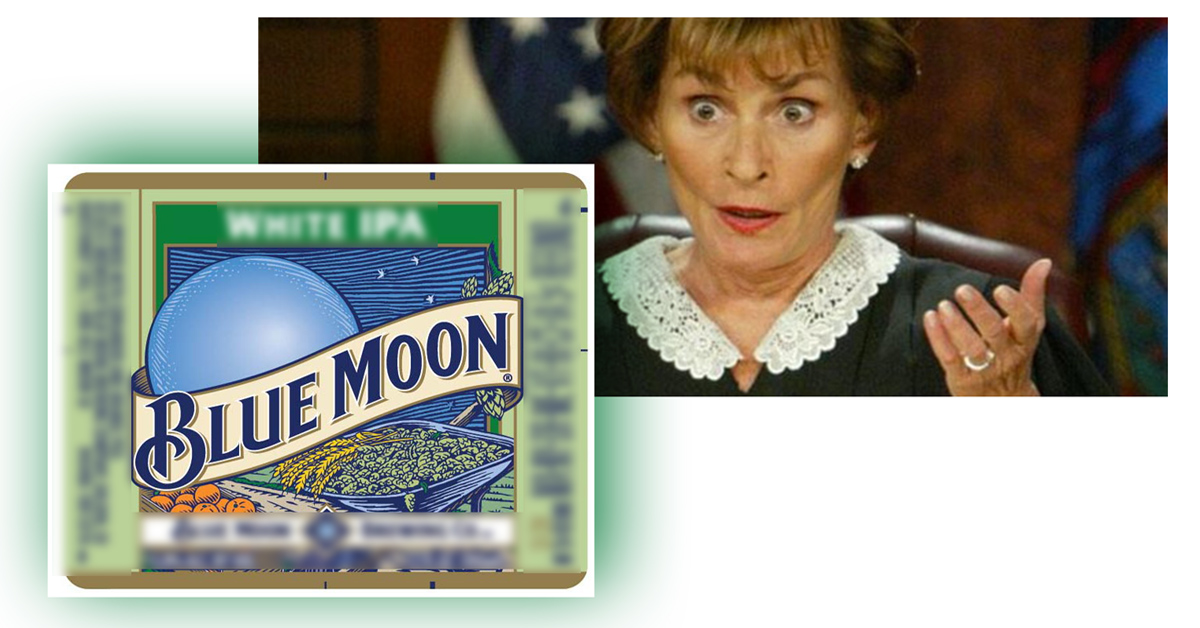
This approval shows a tremendous amount of change in eight short years. First of all, it is hard to imagine that the Bureau would ever allow the term “vodka” on a beer label. Somehow I don’t think that would fly in this day and age. Further, the qualification seems to mandate the use of this term, in a particular way. The qualification suggests that the arrangement of the words may lead to controversy, rather than the reference to vodka and a famous vodka brand on a beer label. Pages 12-22 of this document show the controversy.

Second, the product is gone. So is the named agency (that is, the label functions have moved from ATF to TTB). So is the person that approved it. Judy was tremendously helpful and probably had many good reasons to approve this label, in a different era. I wouldn’t want to mention the person, but for the fact that the name is right there and the memories are good.

This is also a good example of a “use-up.” The approval tends to say the label is not ideal but the agency will allow it to be used for six months only. I believe TTB/ATF has allowed use-ups for many, many decades. It is difficult to imagine other agencies allowing this privilege, such as FDA allowing a dubious label but only for a few months, or Customs allowing a dubious origin statement for a few more months. For these reasons, I wanted to highlight the label before it fades further into history.

Related Posts:

Tags:

, , , ,

Posted in:

flavored malt beverage, vodka


Email This Post Email This Post     |    Print This Post Print This Post     |    


Igniting a Controversy

holty

This Sparks label may well be the label that ignited a big controversy, coming to a boil eight years later. As near as we can tell, it is the first or one of the very first label approvals showing the direct addition of caffeine. Since then, TTB has approved hundreds or thousands of labels with a similar caffeine-alcohol combination as per this list, as explained by TTB here. Beginning about two years ago, CSPI began vigorously challenging caffeine-alcohol combination, and then the states and the FTC jumped in. In November of 2009 FDA said the drinks probably should not be allowed. Caffeinated Sparks is gone, but the controversy burns on.

Holty’s Cyclone is a much earlier approval, and contains at least two sources of caffeine — but it does not have the directly-added caffeine that makes the 2001 Sparks approval noteworthy. Holty’s is beer with added ginseng, guarana and kola nut. It is quite amazing that Holty’s has an image of a doctor examining the beer and seeming to approve, along with a reference to Dr. Holty. It is also surprising that the product lacks anything resembling a modern statement of composition. The terms are all over the place, from lager to herbs to the stimulants.

Related Posts:

Tags:

, , ,

Posted in:

flavored malt beverage


Email This Post Email This Post     |    Print This Post Print This Post     |    


Rejection: Refreshing

refreshing

Quite a few readers have said, “yeah, unusual approvals are great, but what about rejections?” Here we have the first post of many, from time to time, showing common or revealing label rejections.

First, some ground rules. We will not show the brand or company at issue. TTB tends to treat label rejections as confidential and approvals as public, and we’ll mirror this sensible policy. To this end, we may blur out some identifying information where necessary, such as above. In rare cases, we’ll change a little bit of text (in the example above we changed about three letters to avoid the distraction that might otherwise be caused by typos; we did not change the substance). If you have a good and interesting rejection, please let us know and we’ll make sure to treat it in line with the policy above.

On to the controversial term at hand. For many decades, TTB has been concerned about the term “refreshing,” so common on all manner of beverages. TTB’s concern seems to be that it’s awfully close to a therapeutic claim, suggesting an effect on your body. “Invigorating” or “stimulating” would go a bit further and probably raise the same issues. Rather than ban the term “refreshing” outright — which would seem a bit out of proportion to the harm it could cause — TTB frequently says it must be accompanied, in close proximity, by something like “serve chilled.” The above rejection is such an example. It says “The statement ‘refreshing’ must be deleted or the statement ‘on the rocks’ or ’serve chilled’ must be added.” This would tend to make it clearer that any effect on your body is rather innocent and fleeting. It’s not going to cure your eczema or chronic exhaustion.

This Franzia label pretty much shows how TTB wants the term used. “Refreshing” is fairly prominent on this label, but “Serve Chilled” is not too far behind.

By contrast, here are a few that seem to go in the opposite direction. Erik’s Refreshing Riesling does not seem to have much chill talk. Nor does this MillerCoors Honey Moon label (“A Refreshing Summer Ale with Honey & Orange Peel”).

We feel it’s important to set some of these policies out, because a lot of them do not appear in the regulations or BAM. As a result, they are inherently subject to confusion and surprise.

Related Posts:

Tags:

,

Posted in:

alcohol beverages generally, flavored malt beverage, wine


Email This Post Email This Post     |    Print This Post Print This Post     |    


Feedburner Get bevlog via email. Enter email address:

Delivered by FeedBurner

RSS Subscribe to the RSS feed


This blog has been enhanced by WeFixWP