

Archive for the ‘fruit wine’ Category
Mangosteen and Mace
In the last post, we showed a pineapple wine from Radee. As in the image above, Radee also imports a wine fermented from mangosteen.
The New York Times has a good introduction to the mangosteen in this video. It features an ethnobotanist and explains that this fruit was banned from the United States until a few years ago.
In other unusual ingredients, a Cooperstown, New York brewer makes an ale with mace, among other spices such as grains of paradise. Mace is similar to nutmeg but is not the same. The nutmeg tree is the source of both spices and is one of very few plants that produce more than one spice; nutmeg comes from the tree’s seed and mace comes from the seed’s cover. Ommegang’s Adoration Ale also features coriander and cardamom according to the label, and cumin according to the website.
Related Posts:
Tags:
Posted in:
Email This Post
|
Print This Post
|
Pineapple Wine
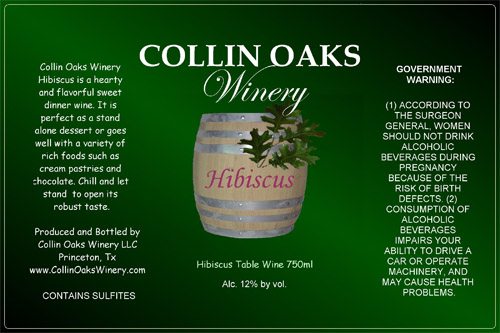
Here is wine made from pineapples, rather than grape wine with pineapple flavor. The above wine is produced and bottled by Florida Orange Groves of St. Petersburg, Florida. A second example is made in Thailand and imported by Radee Wine of Sacramento, California.
Related Posts:
Tags:
ingredients, speaks for itself
Posted in:
Email This Post
|
Print This Post
|
Vegetable Wine
Earlier this week we covered kiwi wine. Today, we go further from grape wine, toward vegetable wine. Rhubarb wine to be exact. Rhubarbinfo.com says it’s a vegetable and on this I will tentatively defer to them.
Assumption Abbey Rhubarb Wine is made by Pointe of View Winery in Burlington, North Dakota. The TTB database has many rhubarb wines, and they tend to be made in states not well known for grape wine, such as Kansas, Iowa, Illinois, and Indiana. None of these labels tend to show an appellation of origin or a vintage date. In a good article about non-grape wine, the San Francisco Chronicle explains:
[TTB] allows fruit wine makers to add sugar, acid and water as needed – natural flavors and colors are even allowed – but they don’t allow a fruit wine to bear a vintage or place-name the way a grape wine does.
“I think it’s a waste to not allow vintage dating,” says Koehler. “You have good and bad years for fruit, just like you do for grapes.”
Those laws aren’t likely to change, if only because of the effort required by the TTB to police them. What does vintage mean to Tedeschi Vineyards when pineapple is available year-round? What does place-name mean to Galarneau when he buys mangoes from around the world?
It is difficult to locate the rules that prevent rhubarb and other non-grape wines from showing the vintage and appellation. Perhaps an astute reader can point them out.
Related Posts:
Tags:
Posted in:
Email This Post
|
Print This Post
|
Kiwi Wine
So far, I see 78 references to wine here, but only three references to fruit wine. So today, I endeavor to correct that imbalance.
The imbalance is not due to any shortage of wines made from other than grapes. There are plenty. Today I will show a couple of wines made from the kiwi fruit. Above is King Kiwi, Kiwi Wine, made in Florida. A second producer of kiwi wines is Shalom Orchard, in Franklin, Maine.
Wiki explains that kiwi has also been know as chinese gooseberry, macaque peach, macaque pear, kiwifruit and melonette over the past century. In the 1950s, big growers pushed the name toward kiwi and away from chinese gooseberry. The latter raised issues during the Cold War. And:
An American importer … complained that melonettes was as bad as Chinese gooseberry because melons and berries were both subject to high import tarriffs, and instead asked for a short Maori name that quickly connoted New Zealand.
One company and brand dominates the worldwide kiwi trade; Zespri ships 2 billion kiwifruits to 70 countries worldwide, from New Zealand.
Related Posts:
Tags:
Posted in:
Email This Post
|
Print This Post
|
Marion Berry Wine

Consider this a public service announcement, so you will never face the awkward predicament of confusing one of these for the other, especially since TTB has approved wines made from dozens of different types of berries. We will try to show many of them, starting with these.
The berry on the left is the marionberry. It is used to make this wine from Scatter Creek of Tenino, Washington. This berry is closely related to the blackberry and “the relative complexity of its flavor has led to a marketing label as the ‘Cabernet of Blackberries.’ The more powerful flavor of the marionberry has led to it dominating current blackberry production.”
It is not to be confused with Marion Barry, Washington, DC’s practically unstoppable mayor, from 1979 to 1999.
On the right is a thimbleberry. It is used to make this Threefold Vine wine in Garden, Michigan. Wiki says “Thimbleberry fruits are larger, flatter, and softer than raspberries, and have many small seeds. Because the fruit is so soft, it does not pack or ship well, so thimbleberries are rarely cultivated commercially.”
Related Posts:
Tags:
Posted in:
Email This Post
|
Print This Post
|