Flower
Bevlog

Archive for the ‘vodka’ Category

Fancy Commodity Statements

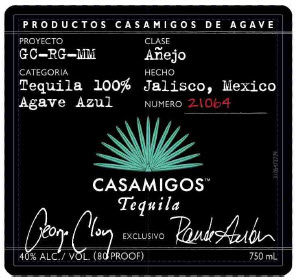
Do you see something wrong with the above labels? All of them have “fancy” commodity statements, rather than one that is more stripped down. A plain commodity statement would be something like DISTILLED FROM GRAIN rather than DISTILLED FROM FRENCH WHEAT, as on the Grey Goose label above.

On the one hand, there are many label approvals, such as the above. On the other hand, TTB recently rejected DISTILLED FROM NEW YORK GRAIN and said it must appear as DISTILLED FROM GRAIN instead. Can both the approvals and the rejection possibly be right? Between the two, what do you think is more right? This can be critical because most vodka and gin labels must have a compliant commodity statement, to show the commodity from which the base spirits are distilled.

The examples above are Heart of the Hudson Vodka (NY Apples), Tuthilltown Vodka (75 pounds of Hudson Valley Apples), Grey Goose Vodka (French Wheat), Core Vodka (Hudson Valley Apples), Bootlegger Vodka (American Grain), and China Beach Vodka (California Grapes). Other examples are Cold River Gin (Maine Potatoes), Soft Tail Vodka (Washington State Apples), True North Vodka (Michigan Rye), and Flathead Vodka (Idaho Sugar Beets).

Related Posts:

Tags:

,

Posted in:

gin, vodka


Email This Post Email This Post     |    Print This Post Print This Post     |    


Vodka from Honey

If ever there is a contest, between wine and spirits, I wonder which has been made from a greater variety of foodstuffs over the years. Here is a budding list of commodities from which wine is commonly or not so commonly fermented. Perhaps we will someday prepare a similar list of commodities from which spirits are commonly or not so commonly distilled. On such a list we’d have to include vodka made from milk. But that one is from the past, and so today to the list we add vodka distilled from honey. Comb is made by StillTheOne Distillery in Port Chester, New York. Comb is a rare brand that has a Facebook site but no other website.

Related Posts:

Tags:

Posted in:

vodka


Email This Post Email This Post     |    Print This Post Print This Post     |    


Manly Parts and Booze, Part 4

The people that set up the pre-market approval system for alcohol beverages probably did not anticipate that, sooner or later, it would come to this. Here is Erection Rum, imported by Data Commodities of Las Vegas, Nevada.

Related Posts:

Tags:

, , ,

Posted in:

rum, vodka


Email This Post Email This Post     |    Print This Post Print This Post     |    


Ethyl

Here it is. What all the controversy is about. EtOH. It is quite possibly the most popular psychoactive substance in the world, running neck and neck with caffeine, at least among substances that don’t require a prescription or jail time.

EtOH is otherwise known as ethanol or alcohol or ethyl alcohol. Ethanol is a contraction for ethyl alcohol and ethyl derives from “ether.” This particular EtOH is bottled by Ballast Point Spirits of San Diego, California.

Related Posts:

Tags:

,

Posted in:

alcohol beverages generally, vodka


Email This Post Email This Post     |    Print This Post Print This Post     |    


Beer made with Vodka

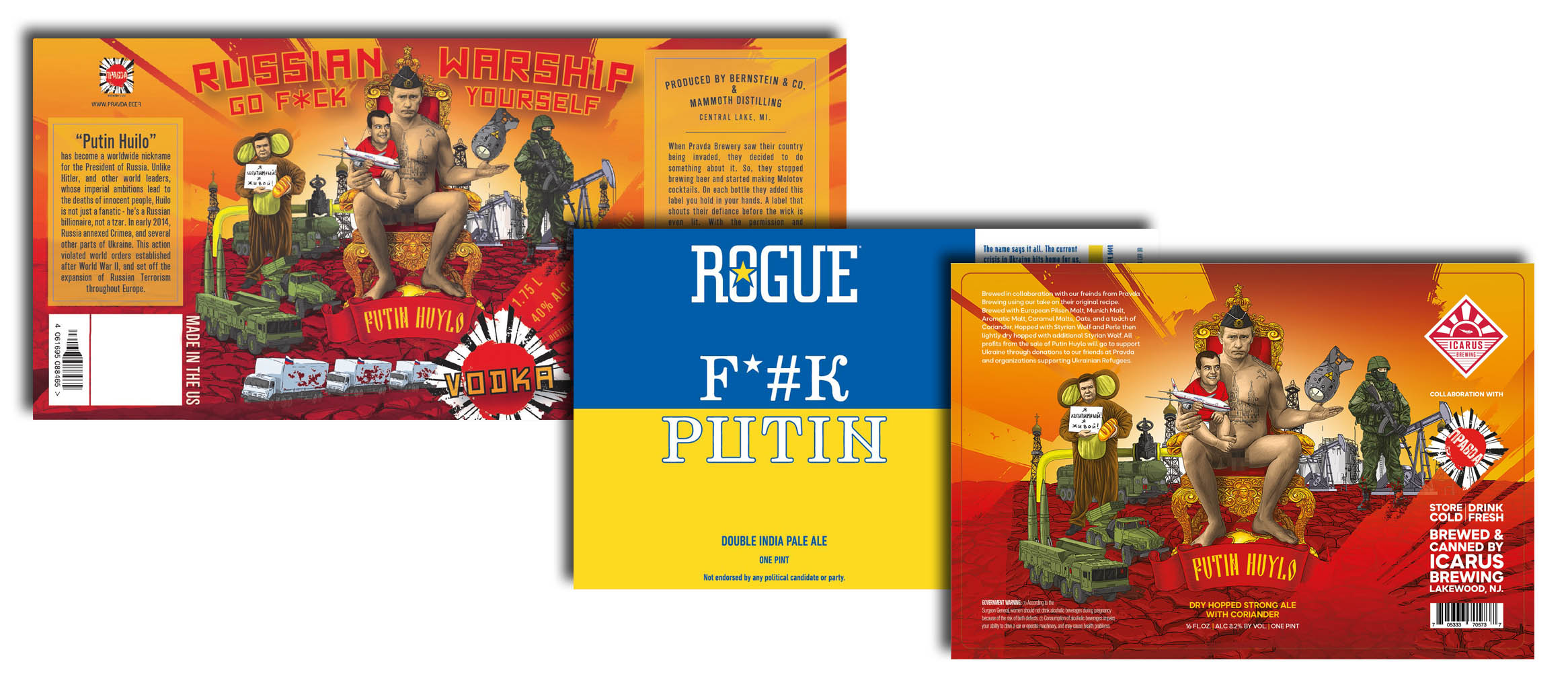
This approval shows a tremendous amount of change in eight short years. First of all, it is hard to imagine that the Bureau would ever allow the term “vodka” on a beer label. Somehow I don’t think that would fly in this day and age. Further, the qualification seems to mandate the use of this term, in a particular way. The qualification suggests that the arrangement of the words may lead to controversy, rather than the reference to vodka and a famous vodka brand on a beer label. Pages 12-22 of this document show the controversy.

Second, the product is gone. So is the named agency (that is, the label functions have moved from ATF to TTB). So is the person that approved it. Judy was tremendously helpful and probably had many good reasons to approve this label, in a different era. I wouldn’t want to mention the person, but for the fact that the name is right there and the memories are good.

This is also a good example of a “use-up.” The approval tends to say the label is not ideal but the agency will allow it to be used for six months only. I believe TTB/ATF has allowed use-ups for many, many decades. It is difficult to imagine other agencies allowing this privilege, such as FDA allowing a dubious label but only for a few months, or Customs allowing a dubious origin statement for a few more months. For these reasons, I wanted to highlight the label before it fades further into history.

Related Posts:

Tags:

, , , ,

Posted in:

flavored malt beverage, vodka


Email This Post Email This Post     |    Print This Post Print This Post     |    


Feedburner Get bevlog via email. Enter email address:

Delivered by FeedBurner

RSS Subscribe to the RSS feed


This blog has been enhanced by WeFixWP