Posts Tagged ‘legally interesting/controversial’
Ingredient Labeling on Wine
Back in the 1970s ATF/TTB worked vigorously to control wine-labeling, where FDA wanted to get involved and insist upon detailed ingredient lists, as is common on most other food labels. The matter got resolved by way of Brown-Forman Distillers Corp. v. Mathews, 435 F. Supp. 5 (W.D. Ky. 1976).
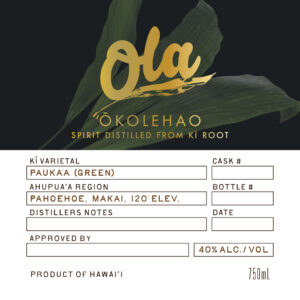
But this did not stop Bonny Doon Winery. Many of Bonny Doon’s labels include quite detailed ingredient labeling, and Bonny Doon has been one of few alcohol beverage companies willing to swim against the tide and volunteer this information. Bonny Doon’s Cunning label shows the following ingredients: grapes, tartaric acid and sulfur dioxide. It goes on to say the product was made with cultured yeast, yeast nutrients, French oak chips, and French oak barrels.
According to Decanter, Bonny Doon president Randall Grahm said:
It’s useful to provide more detailed information about the ingredients used in wine production and reduce our dependence on standard wine additions, even those considered to be benign such as tartaric acid, bentonite, yeast nutrients, enzymes, sulphur dioxide.
Let us know if you see other TTB labels with detailed ingredient labeling.
Related Posts:
Tags:
legally interesting/controversial, policy
Posted in:
Email This Post
|
Print This Post
|
Ethyl

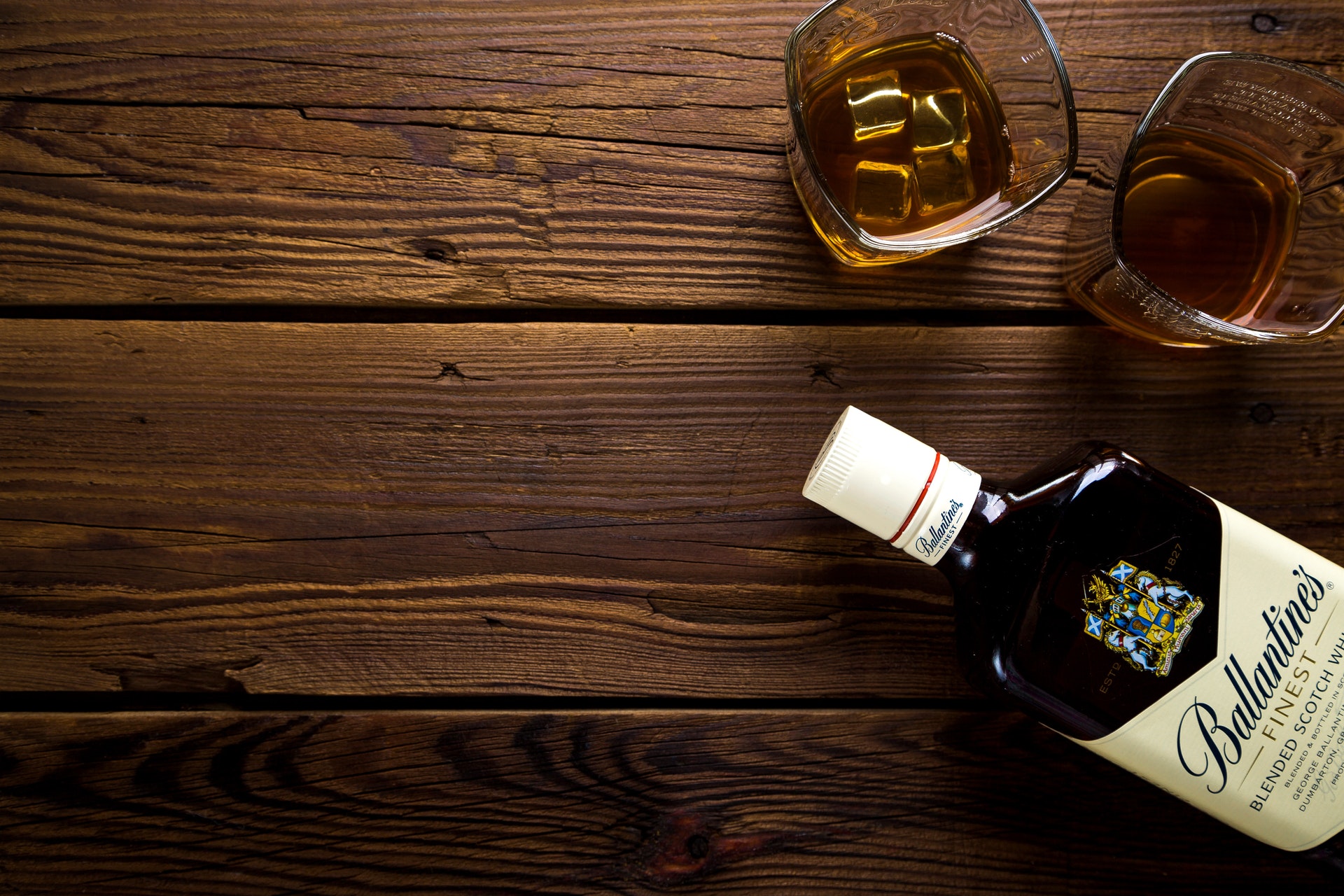
Here it is. What all the controversy is about. EtOH. It is quite possibly the most popular psychoactive substance in the world, running neck and neck with caffeine, at least among substances that don’t require a prescription or jail time.
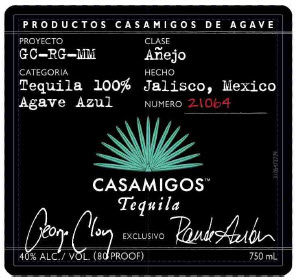
EtOH is otherwise known as ethanol or alcohol or ethyl alcohol. Ethanol is a contraction for ethyl alcohol and ethyl derives from “ether.” This particular EtOH is bottled by Ballast Point Spirits of San Diego, California.
Related Posts:
Tags:
legally interesting/controversial, processing
Posted in:
Email This Post
|
Print This Post
|
Beer made with Vodka

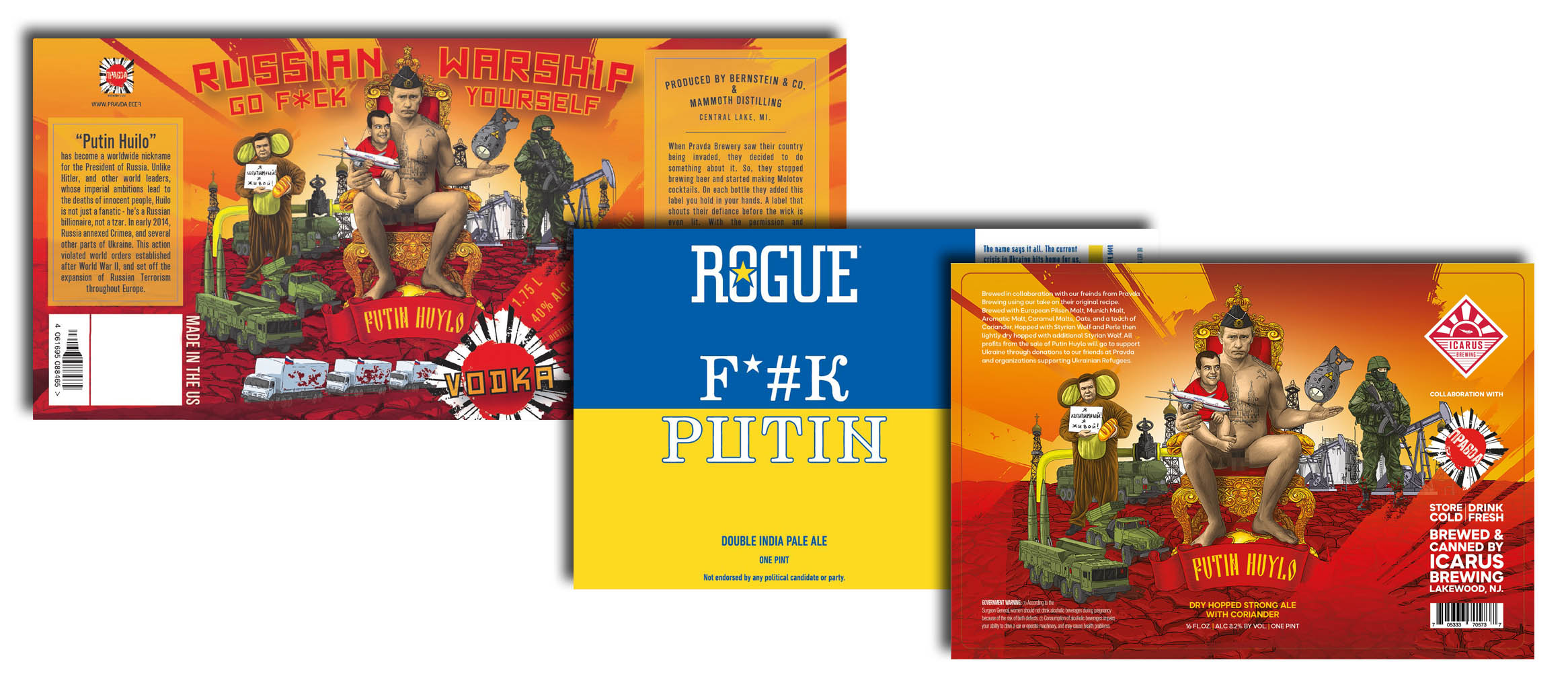
This approval shows a tremendous amount of change in eight short years. First of all, it is hard to imagine that the Bureau would ever allow the term “vodka” on a beer label. Somehow I don’t think that would fly in this day and age. Further, the qualification seems to mandate the use of this term, in a particular way. The qualification suggests that the arrangement of the words may lead to controversy, rather than the reference to vodka and a famous vodka brand on a beer label. Pages 12-22 of this document show the controversy.
Second, the product is gone. So is the named agency (that is, the label functions have moved from ATF to TTB). So is the person that approved it. Judy was tremendously helpful and probably had many good reasons to approve this label, in a different era. I wouldn’t want to mention the person, but for the fact that the name is right there and the memories are good.
This is also a good example of a “use-up.” The approval tends to say the label is not ideal but the agency will allow it to be used for six months only. I believe TTB/ATF has allowed use-ups for many, many decades. It is difficult to imagine other agencies allowing this privilege, such as FDA allowing a dubious label but only for a few months, or Customs allowing a dubious origin statement for a few more months. For these reasons, I wanted to highlight the label before it fades further into history.
Related Posts:
Tags:
ingredients, legally interesting/controversial, policy, qualifications, use-ups
Posted in:
Email This Post
|
Print This Post
|
Adult Beverages

Here it is, in all its glory, at long last. TTB’s “areola” policy.
From time to time, depending on the circumstances, TTB will say these particular body parts are “obscene” or “indecent” and must be covered. Here is a recent example of such a rejection. It says “Please cover the areolas on the woman.” And these, by way of another example, are certainly well covered.
The label above is Amethystos dry white wine, from the Drama region of Greece.
Related Posts:
Tags:
legally interesting/controversial, policy, rejections, risqué, sexual
Posted in:
Email This Post
|
Print This Post
|
Champortini

On many labels, it can be difficult to draw the line. For example, it is tough to say whether this PimpnHo label (also by Weibel) goes too far.
But then again, it is fairly clear that Champortini went quite a bit too far.
It suggests Champagne but does not qualify to be labeled as Champagne. It suggests Port but does not qualify as Port. It sounds a lot like martini, but has none of the traditional martini ingredients. This puts the brand out in some rough waters, without the safe harbor of an approval before the crucial 2006 grandfather date set forth here.
Any one of these issues might have been enough to sink this brand, but putting all these issues together, it would be a great surprise if the brand did not sink. It apparently lasted from April 27, 2007 (the date of the first approval) until a little after February 20, 2008 (the date of the third and final approval, as above). There is no trace of this brand’s survival at the Champortini website shown on the label.
Related Posts:
Tags:
legally interesting/controversial, policy
Posted in:
Email This Post
|
Print This Post
|


